High Performance Gabion Mesh Guide For Engineering Projects And Landscape Applications
Introduction
In civil engineering and landscape projects, failures often occur due to soil instability, erosion, and inadequate drainage systems. Traditional rigid structures, like concrete walls, crack under ground movement, creating costly maintenance problems. This is where gabion mesh provides a practical solution, offering both structural stability and environmental adaptability.
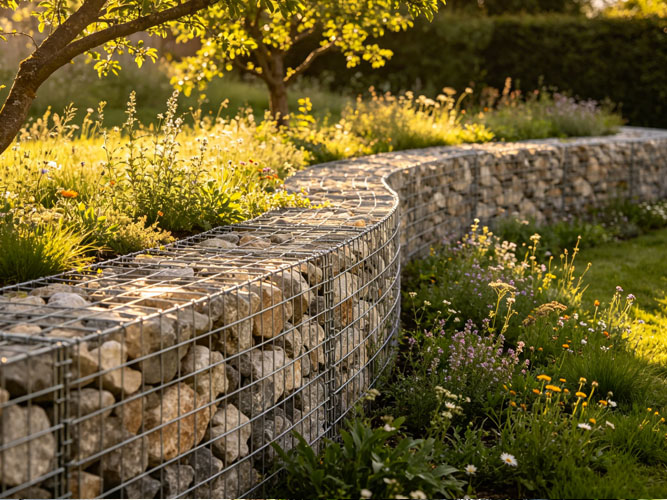
Whether forming a gabion wall, modular gabion box, or decorative gabion basket, gabion systems offer engineers a reliable way to stabilize slopes, protect riverbanks, and enhance landscapes. Welded gabion cages, in particular, provide additional strength for high-load or exposed areas, making them a preferred choice in both infrastructure and aesthetic projects.
What Is gabion mesh
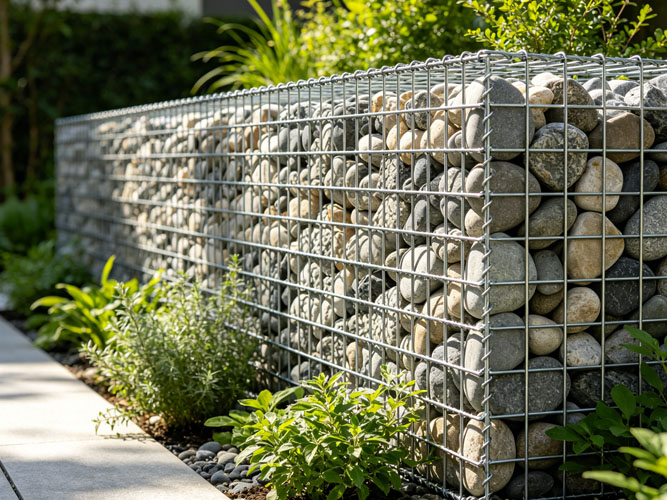
Gabion mesh is a steel wire mesh system used to create stone-filled cages that form flexible and durable retaining structures. The mesh holds rock or stone infill in place while allowing water to flow through, reducing hydrostatic pressure and preventing erosion.
From an engineering perspective, gabion mesh acts as a confinement system. Its open structure allows for drainage, adapts to uneven terrain, and distributes weight evenly, unlike rigid retaining materials. Both woven hexagonal and welded gabion meshes are commonly used, depending on project requirements.
Types ofgabion mesh
gabion
A standard gabion is a wire mesh container filled with stone or rock. Gabions are widely applied in slope stabilization, riverbank protection, and coastal erosion control. Their strength comes from the mass of the infill and the interlocking effect of the stones.
gabion box
Gabion boxes are modular rectangular units made from gabion mesh panels. They are suitable for stacking to create high walls or terraces. Gabion boxes are ideal for infrastructure projects requiring uniformity and strength, such as retaining walls and embankments.
gabion basket
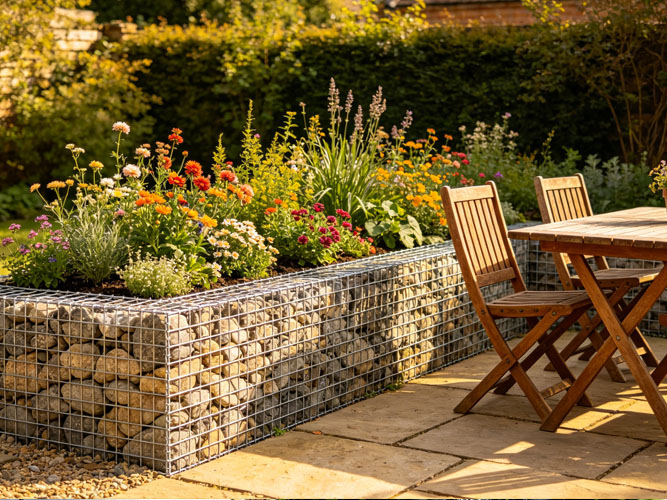
A gabion basket is similar to a gabion box but often smaller and more flexible. It is commonly used in decorative landscaping, garden walls, channel protection, and areas where a more aesthetic approach is desired.
gabion mesh Materials
PVC
PVC-coated gabion mesh provides high corrosion resistance, especially in humid, coastal, or chemically exposed environments. The coating extends the lifespan of the mesh and ensures long-term performance in harsh conditions.
PP
PP-coated gabion mesh offers lightweight and flexible properties. Polypropylene coatings are used in environmentally sensitive projects or where temporary structures are required. They provide durability and protect the steel wire from environmental damage.
Performance and Efficiency
Gabion mesh structures perform exceptionally well due to three key engineering principles: mass stability, permeability, and flexibility. Stone-filled cages distribute load evenly, reducing stress on individual components. The open mesh design allows water to pass through, preventing pressure buildup. Flexibility enables the structure to adjust to soil movement without cracking.
Compared with concrete walls, welded gabion systems are more adaptable to unstable soils, seismic zones, and areas prone to flooding. Properly designed gabion structures also minimize maintenance needs while providing long-term stability. For landscapes, gabion systems combine structural efficiency with visual appeal, enhancing urban parks, residential gardens, and commercial spaces.
How to Choose gabion meshl
When selecting gabion mesh, consider the following:
- Load requirements: choose thicker wire and welded mesh for heavy loads
- Environmental exposure: select galvanized, PVC, or PP-coated mesh for durability
- Aesthetic needs: smaller gabion baskets or decorative gabion boxes for landscaping
- Ground stability: flexible mesh adapts to uneven or shifting terrain
- Drainage requirements: ensure proper stone selection and mesh openness for water flow
Common Problems
clogging
Clogging occurs when fine soil or debris fills the voids between stones, reducing drainage efficiency and increasing hydrostatic pressure. Proper installation and periodic inspection can prevent this issue.
scaling
Scaling happens when mineral deposits or sediment build up on exposed stone surfaces. It is most common in water-contact applications, such as riverbank or coastal gabion walls.
aging
Aging results from long-term environmental exposure. Even coated steel wires can eventually degrade, leading to reduced structural performance if not properly maintained.
Maintenance Tips
- Inspect wire coating annually and repair any damage
- Monitor wall alignment and deformation after heavy rain or floods
- Remove vegetation that may compromise structural stability
- Check and replenish stone infill if necessary
- Ensure drainage channels remain clear
Real Engineering Experience
Case 1: Coastal Erosion Protection
In Southeast Asia, a welded gabion wall was installed to protect a coastal area from tidal erosion. The permeable structure reduced wave impact, stabilized the shoreline, and provided a natural visual appearance integrated with the landscape.
Case 2: Urban Park Landscape
Gabion boxes and baskets were used in a city park to create seating areas, retaining walls, and decorative features. The system provided both functionality and aesthetic appeal while withstanding heavy public use.
Case 3: Mountain Highway Slope Stabilization
Gabion baskets reinforced steep slopes along a mountain highway. The flexible mesh adapted to soil settlement caused by rainfall, reducing the risk of landslides and improving road safety.
Conclusion
Gabion mesh systems provide durable, flexible, and environmentally friendly solutions for civil engineering and landscape projects. They outperform rigid alternatives in drainage, flexibility, and aesthetic integration. By selecting the right gabion type, coating, and infill, engineers can achieve long-term performance with minimal maintenance.
FAQ
Q1: What is gabion mesh used for?
Gabion mesh is used for slope stabilization, retaining walls, riverbank protection, and decorative landscaping structures.
Q2: What is the difference between a gabion box and gabion basket?
Gabion boxes are larger, modular units for structural applications, while gabion baskets are smaller and often used for decorative or light-duty purposes.
Q3: How long does gabion mesh last?
Depending on coating type and environmental exposure, gabion mesh can last 20–50 years.
Q4: Can gabion walls be used in urban landscapes?
Yes, gabion walls are widely used in parks, gardens, plazas, and other urban spaces for both functional and aesthetic purposes.
Q5: What stones are recommended for gabion filling?
Durable natural stones such as granite, basalt, or river rock are recommended to ensure structural stability and longevity.