Blast Wall
Product Overview
Blast Wall – High-Security Explosion Protection Barrier System
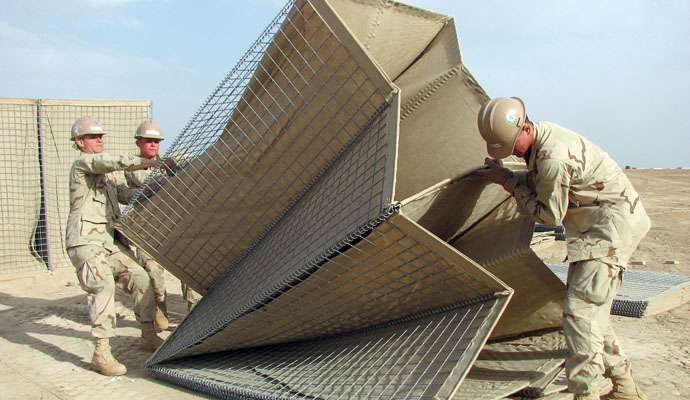
Blast Wall is a high-performance protective barrier system widely used in military engineering, industrial security, and critical infrastructure protection. It is designed to resist blast pressure, impact force, and fragmentation caused by explosions, making it an essential solution for high-risk environments such as military bases, oil and gas facilities, airports, and border security projects.
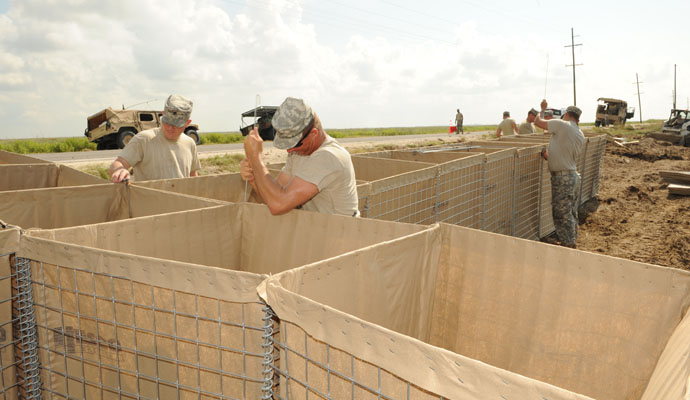
The system is typically constructed from high-strength welded steel mesh panels combined with heavy-duty geotextile fabric. When filled with sand, gravel, or crushed stone, the structure forms a stable and energy-absorbing wall that can effectively reduce blast impact and contain explosion effects within a controlled area.
Compared with traditional concrete blast walls, modular Blast Wall systems offer faster deployment, easier transport, and greater flexibility. Their prefabricated design allows rapid installation in emergency situations or remote project locations, significantly improving construction efficiency and operational safety.
Key Features of Blast Wall Systems
- High-strength welded mesh structure for maximum stability
- Excellent blast resistance and impact absorption capability
- Fast assembly and modular installation design
- Corrosion-resistant galvanized or Galfan coating
- Reusable and cost-effective protective solution
- Suitable for both permanent and temporary defense projects
Security & Defense Applications
Blast Wall systems are widely used in both military and civil protection engineering. They can be designed as gabion blast wall, gabion blast barrier, and gabion explosion wall for high-risk explosive environments.
In military applications, they are commonly used as military gabion wall, defensive gabion wall system, and gabion fortification wall to protect personnel, equipment, and strategic infrastructure from attack and explosion threats.
They are also widely applied as gabion security wall and gabion protective wall for perimeter defense in sensitive facilities such as embassies, power plants, airports, and industrial zones.
Typical Applications
- Military bases and field fortifications
- Oil and gas facilities and refineries
- Airport security and runway protection zones
- Border checkpoints and security barriers
- Industrial plant explosion protection systems
- Critical infrastructure and emergency response projects
In addition, Blast Wall systems can be rapidly deployed for emergency situations such as explosion containment, temporary perimeter protection, and disaster response operations, providing immediate safety reinforcement when needed.
Technical Specifications
- Wire Diameter: 3.0mm – 5.0mm high-strength steel wire
- Mesh Opening: 50mm × 50mm / 75mm × 75mm / customizable
- Surface Treatment: Hot-dip galvanized / Galfan coated
- Geotextile: Heavy-duty polypropylene non-woven fabric
- Filling Material: Sand, gravel, crushed stone, soil
In summary, Blast Wall systems provide a reliable, flexible, and cost-effective solution for modern security and explosion protection needs. Their combination of strength, modularity, and rapid deployment capability makes them a preferred choice for military and industrial safety projects worldwide.
Customer Reviews




Frequently Asked Questions
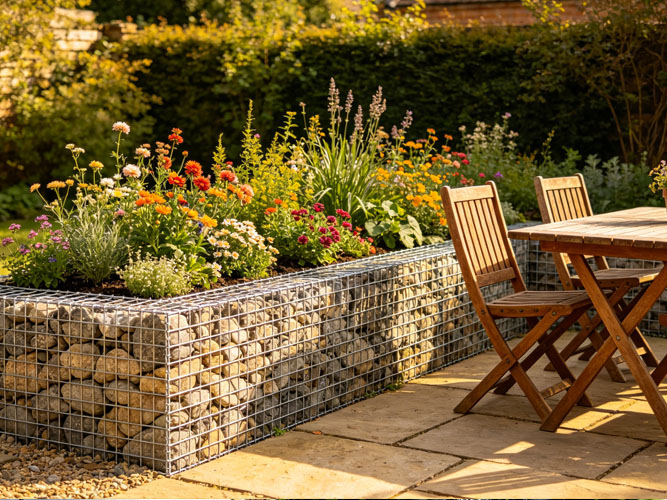
Yes, gabion mesh is highly customizable in terms of size, wire diameter, coating, and shape. It can be adapted for both engineering applications and decorative uses such as garden walls, planters, and outdoor furniture.
Stability is achieved through proper foundation preparation, correct filling with suitable stone size, and secure lacing or fastening of the mesh panels. When installed correctly, gabion structures can withstand heavy loads and environmental pressure.
Installation time depends on the project size, but in general, gabion systems are faster to install than traditional concrete structures. Most projects can be completed with basic tools and unskilled labor, which helps reduce overall construction time.
Yes, gabion mesh can perform very well in coastal or humid conditions, especially when using PVC-coated or heavily galvanized wire. These coatings provide strong corrosion resistance, ensuring a longer service life even in harsh environments.
Related Products You May Like
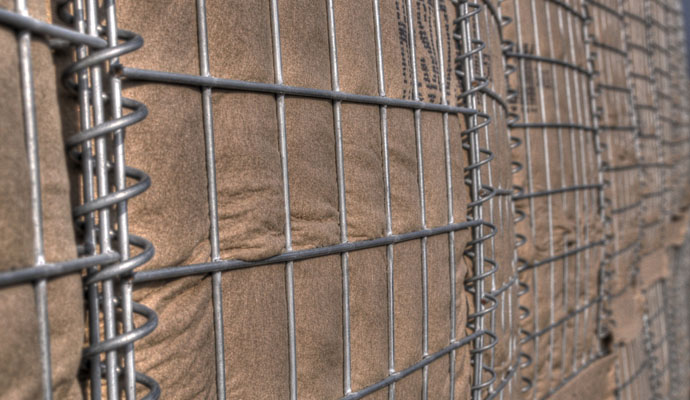
BlastSafe Barrier System
BlastSafe Barrier System – Advanced Security Explosion Protection SolutionBlast
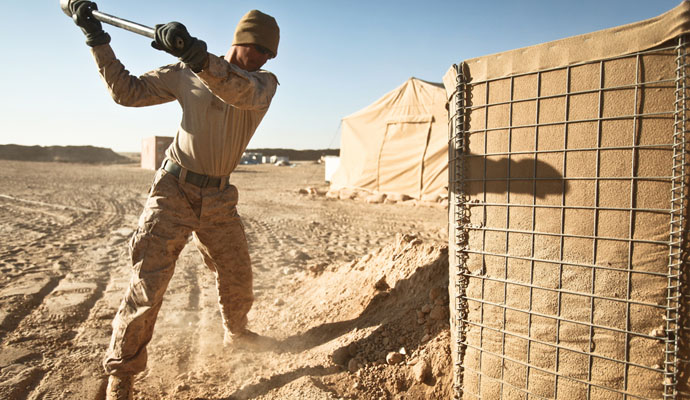
ImpactGuard Gabion Wall
ImpactGuard Gabion Wall – High-Strength Impact Security Protection SystemImpact
Blast Wall
Blast Wall – High-Security Explosion Protection Barrier SystemBlast Wall is a hi